Upgrading an Old HVAC System
I now know more about HVAC than I really wanted to.
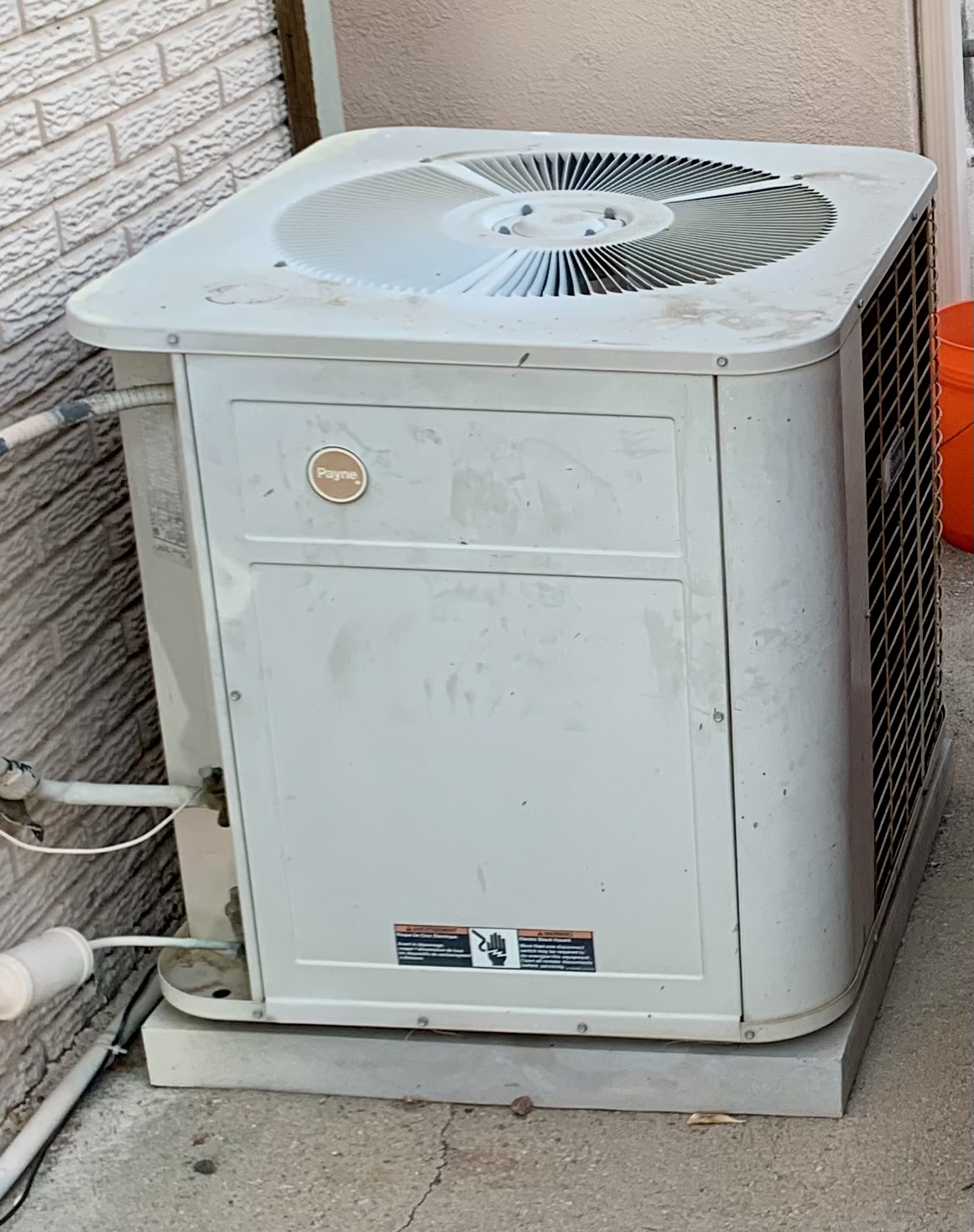
So about a year ago, during a heat wave in Southern California, my dinosaur of an AC compressor finally gave out. It came with the house when we bought it. It was a workhorse, but these things just give out after a certain amount of time. Out of curiosity, I googled the model to see when it was made. Instead getting the age of the unit, I wound up finding the way of getting its manufactured date from the serial number. The unit was made in February of 1989. To put that into perspective, I was 9 when that thing was manufactured and probably installed.
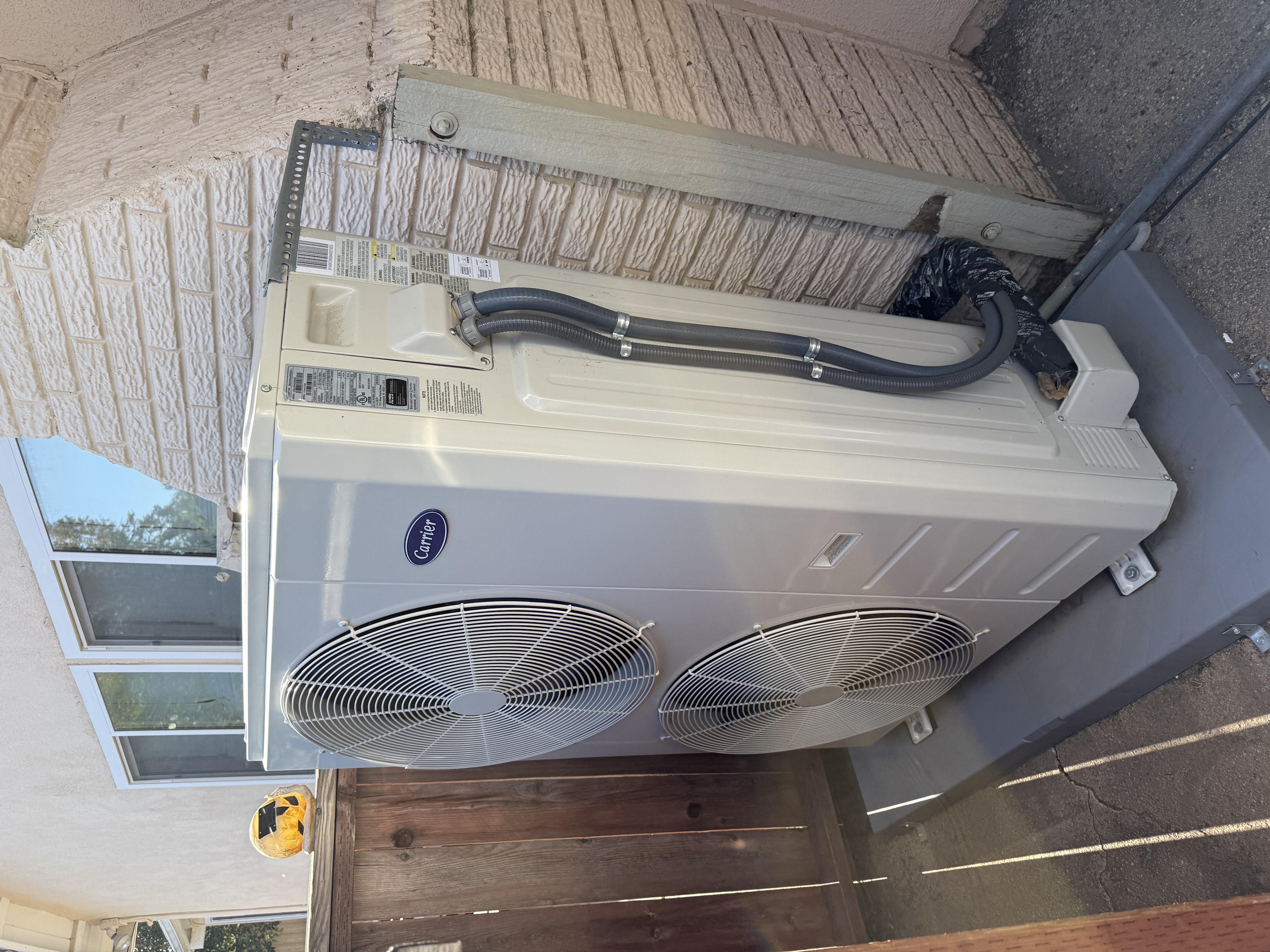
We replaced the AC Compressor with a new compressor/heat pump Carrier unit, and replaced the air handler as well. We installed this system attaching it to the existing duct work. What the HVAC company who installed the new system neglected to tell us is that we were installing a 4 ton system onto ductwork that was only meant to handle a 3 ton system. For those of you who don’t know what this means, and I didn’t until I was forced to learn about it. Each ton refers to how much air the system can move per hour and is equal to about 12,000 BTUs (British Thermal Units). So essentially we were moving 48,000 BTUs through a system built to handle 36,000 BTUs. This means the ductwork wound up sounding like a Harrier Jet taking off in my living room. We didn’t know what to do as we had just paid for a major property upgrade.
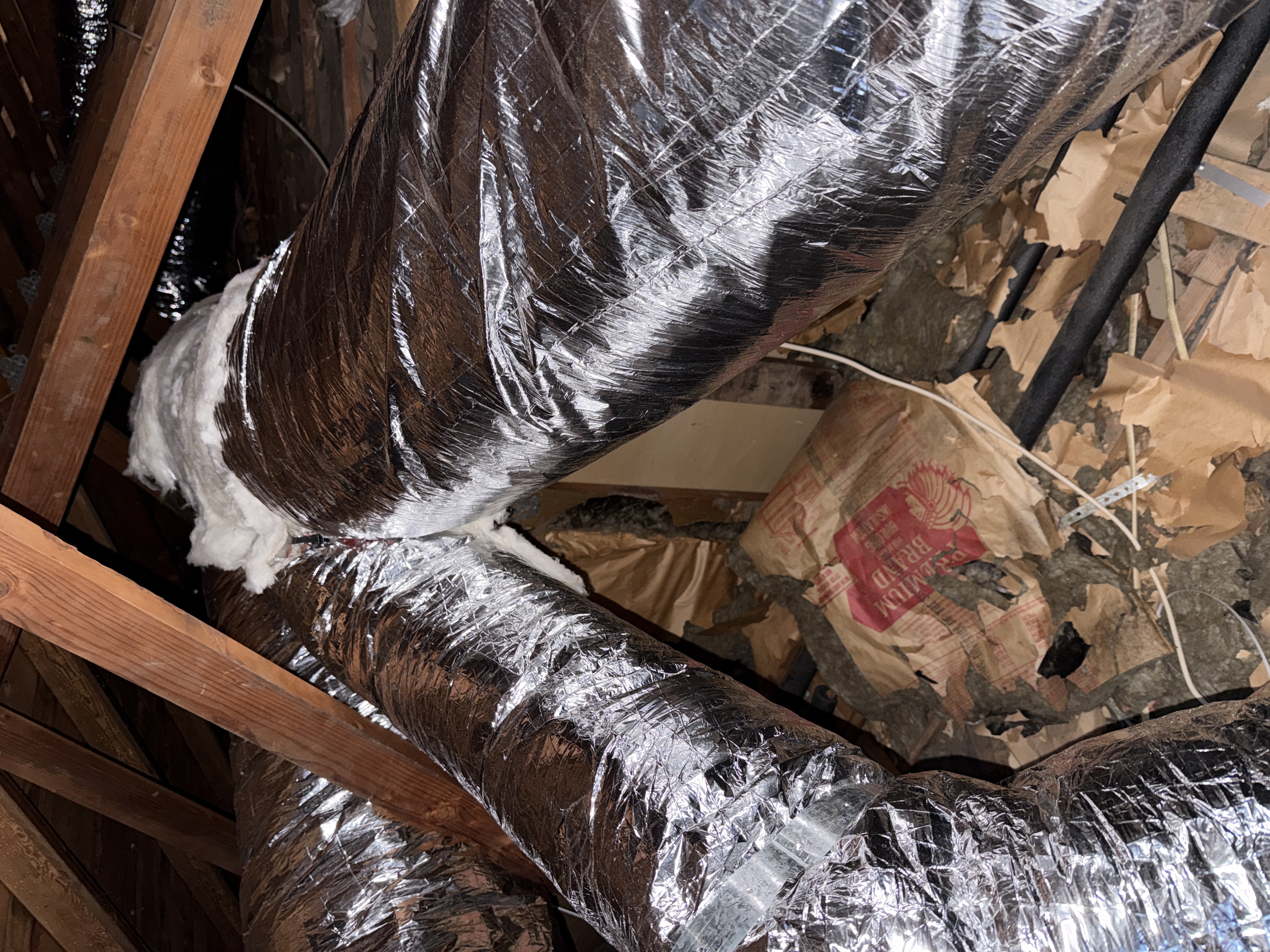
After about 9 months of having to turn the TV up and the subtitles on whenever the AC kicked on, I decided to call the HVAC company to see what we could do. I had met the owner of a great company SoCal Climate Control and he sent over one of his technicians to check the duct work for me. He informed me that indeed the ductwork was not sized properly for the system that was installed and furthermore, the insulation on the ductwork was potentially hazardous and deteriorating. Great…
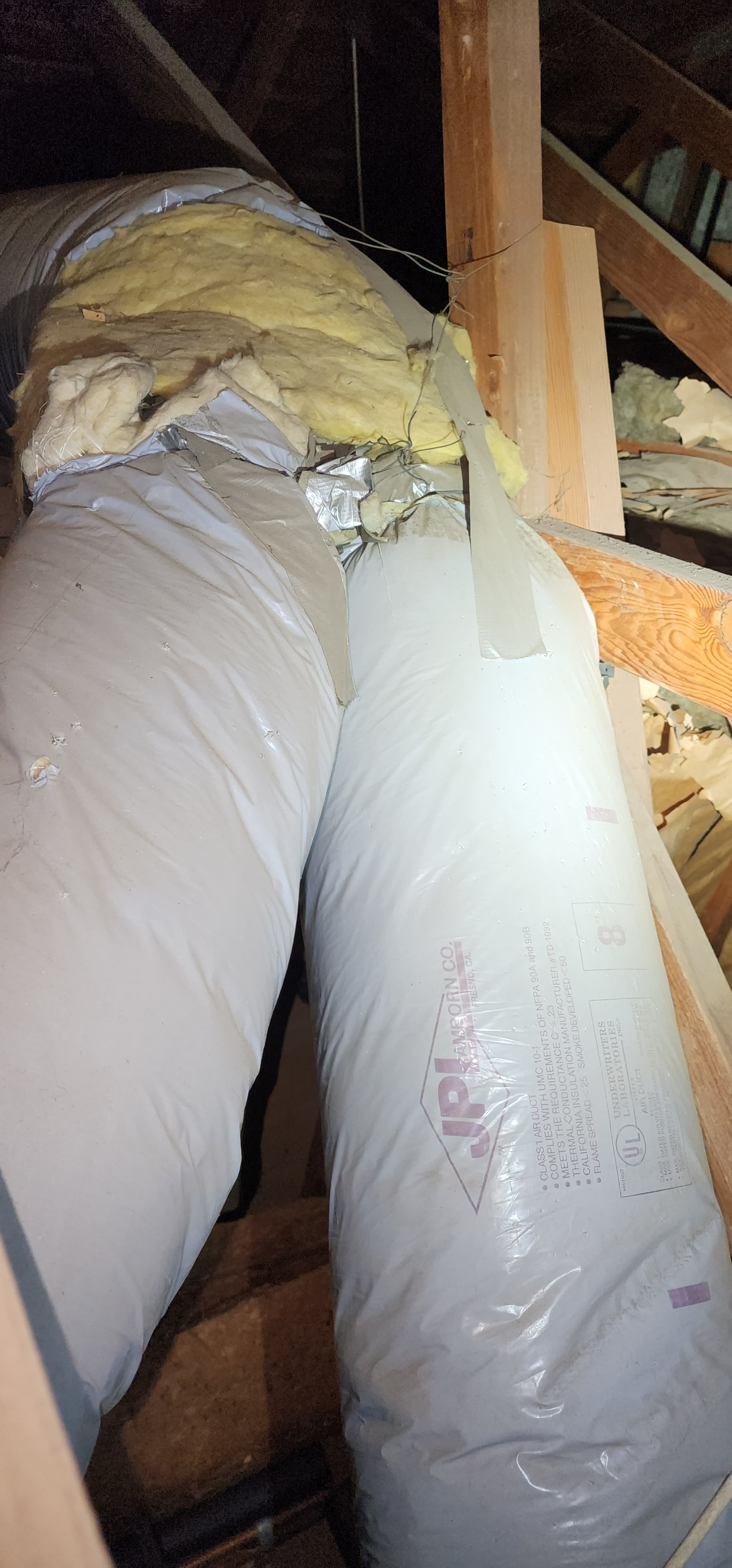
So essentially we were left with no choice but to replace the HVAC system. We had to get an abatement team to come out and remove the old vents in case they had asbestos (our house is asbestos free thank god). Then we had all the old duct work removed. This took about 2 days. Then the guys at SoCal Climate Control installed the new ductwork, rated for a 4 ton system, and I patched all the holes left in the wall from removing the old vents. That took about another day. Now everything works properly and is installed correctly. It was expensive, but I learned a ton about how HVAC works and should be installed. The moral of the story is that if you have to replace your HVAC unit, make sure to check the math and see if it’s compatible with your duct work, otherwise your house will sound like it’s about to take flight.